Nursery Organization for Small Spaces: Smart Ideas That Actually Work
Small Nursery Organization: 10 Smart Ideas to Maximize Space
If you’re trying to keep a small nursery neat and functional, you’re definitely not alone. Limited space can quickly become overwhelmed with diapers, clothes, toys, blankets, and baby gear. The good news is that with a few smart organization strategies, even the smallest nursery can feel spacious, practical, and calming.
In this guide, you’ll discover simple nursery organization ideas that maximize every inch of space while keeping everything easy to find.
Why Nursery Organization Matters
A well-organized nursery isn’t just about appearance. It helps parents save time during diaper changes, nighttime feedings, and busy mornings. When every item has a designated place, daily routines become much easier and less stressful.
For small rooms, organization also creates the illusion of more space while improving safety by reducing clutter.
1. Choose Furniture with Built-In Storage

Multi-functional furniture is one of the best investments for a small nursery.
Look for pieces like:
- Cribs with storage drawers underneath
- Changing tables with shelves or cabinets
- Ottomans with hidden storage
- Rocking chairs with side pockets
These pieces help eliminate the need for additional storage furniture.
2. Make Use of Vertical Space
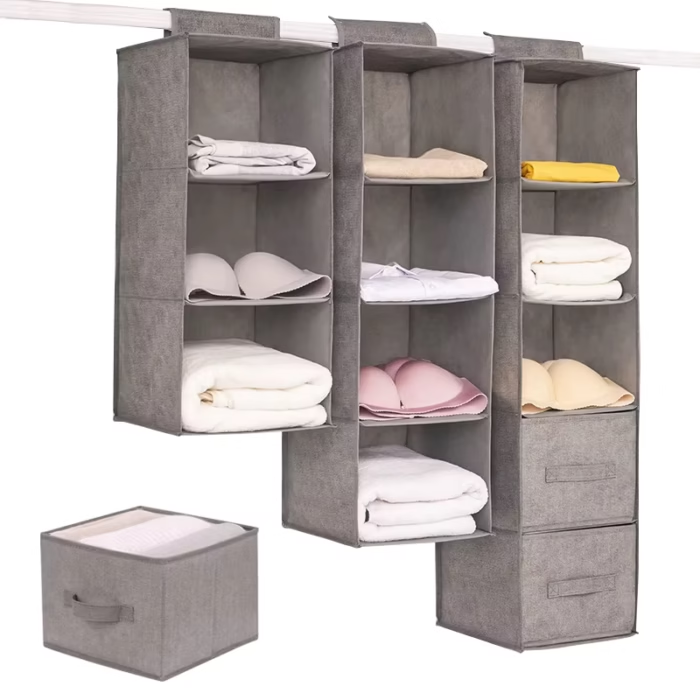
When floor space is limited, think upward.
Install:
- Floating shelves
- Wall-mounted book racks
- Pegboards
- Hanging organizers
- Wall hooks
Vertical storage keeps essentials accessible without crowding the room.
3. Organize the Closet Efficiently

Even a tiny closet can store much more with the right system.
Helpful ideas include:
- Double hanging rods
- Fabric storage bins
- Shelf dividers
- Hanging closet organizers
- Slim velvet baby hangers
Store clothing by size so you’re always ready for your baby’s next growth stage.
4. Label Everything

Labels make organization much easier, especially as your collection of baby items grows.
Label bins for:
- Newborn clothes
- 3–6 months
- Swaddles
- Blankets
- Diapers
- Bath supplies
- Toys
Clear labels help every family member know where things belong.
5. Store Toys in Small Baskets
Rather than leaving toys scattered across the room, use several small baskets instead of one large toy box.
Separate items into categories like:
- Plush toys
- Building blocks
- Sensory toys
- Musical toys
- Books
Children also find it easier to help clean up when toys are sorted into smaller containers.
6. Rotate Toys Instead of Displaying Everything
Babies don’t need access to every toy at once.
Store part of the collection in bins and rotate every week or two. This keeps the nursery tidy while making toys feel new and exciting.
7. Use Under-Crib Storage

The area beneath the crib is often overlooked.
Low-profile storage containers work perfectly for:
- Extra diapers
- Seasonal clothing
- Spare bedding
- Baby keepsakes
Choose containers with lids to keep dust away.
8. Maximize Door Space

The back of the nursery door provides valuable storage.
Over-the-door organizers are ideal for:
- Shoes
- Baby lotions
- Burp cloths
- Hair accessories
- Small toys
This solution adds storage without using any floor space.
9. Keep a Portable Diaper Caddy

Instead of storing diaper supplies in several locations, keep a portable diaper caddy stocked with essentials.
Include:
- Diapers
- Wipes
- Diaper cream
- Burp cloths
- Extra pacifiers
You can easily move it from the nursery to the living room or bedroom whenever needed.
10. Declutter Regularly
Babies outgrow clothing and gear surprisingly fast.
Every month:
- Donate clothes that no longer fit.
- Remove broken toys.
- Store sentimental items separately.
- Reorganize storage bins.
A quick monthly reset prevents clutter from building up.
Nursery Organization Checklist
For a tidy small nursery, make sure you have:
✔ Multi-functional furniture
✔ Storage baskets
✔ Floating shelves
✔ Closet organizers
✔ Drawer dividers
✔ Under-crib storage bins
✔ Labeled containers
✔ Door organizers
Common Nursery Organization Mistakes
Avoid these common problems:
- Buying oversized furniture.
- Keeping every baby item in the room.
- Leaving shelves unlabeled.
- Ignoring vertical storage.
- Filling every available space with décor.
A minimalist approach usually works best in smaller nurseries.
Final Thoughts
A small nursery doesn’t have to feel cramped. By choosing furniture with built-in storage, taking advantage of vertical space, and creating simple organization systems, you can build a room that’s both beautiful and highly functional.
Remember that nursery organization is an ongoing process. As your child grows, their needs will change, so don’t be afraid to adjust your storage solutions over time. With a little planning, even the smallest nursery can stay organized, comfortable, and ready for every stage of your baby’s journey.